Mathematics Book Cover: A Designer’s Stitch Review
As an embroidery professional who has tested countless digital assets for both personal projects and client commissions, I approach every new machine embroidery design with a critical eye. When evaluating the Mathematics Book Cover design, my first impression was not just about the aesthetic appeal but about its functional versatility in a real-world production environment. This design immediately strikes a balance between academic nostalgia and playful creativity. It does not feel sterile or overly rigid; instead, it possesses a cheerful personality that makes it an excellent candidate for Back To School merchandise, personalized gifts, and educational branding. For makers and small business owners, this specific motif offers a unique opportunity to create products that stand out from generic school supplies.
First Impressions and Visual Personality
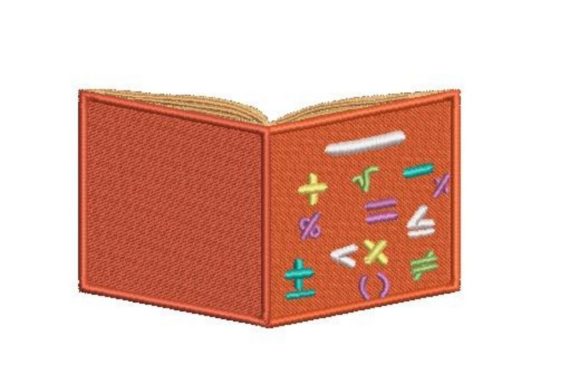
The visual layout of the Mathematics Book Cover suggests a structured yet whimsical composition. In my experience reviewing Embroidery assets, designs featuring books often suffer from being too dense or lacking definition when scaled down. However, this design appears to prioritize clarity. The interplay of mathematical symbols with the book shape creates a focal point that is instantly recognizable even from a distance. This is crucial for items like tote bags or sweatshirts where the viewer is moving. The mood is undeniably positive, evoking feelings of learning and achievement without feeling intimidating. For an Etsy seller or boutique owner, this emotional connection is what converts a browser into a buyer. It feels less like a textbook illustration and more like a celebration of curiosity, making it suitable for everything from kindergarten backpacks to teacher appreciation gifts.
Real-World Application: The Custom Tote Bag Test
To truly understand the value of this embroidery file, I mentally placed it in a recent client scenario involving custom canvas tote bags for a local tutoring center. Canvas is a forgiving fabric, but it requires a design that can hold its own against the weave. The Mathematics Book Cover fits this application perfectly because the solid shapes likely utilize fill stitch areas that provide good coverage without excessive puckering. When stitching on unlined canvas, I would pair this design with a medium-weight cutaway stabilizer to ensure the book spine and geometric elements remain crisp after washing.
In this specific case, the design serves as more than just decoration; it acts as branding. Parents and students recognize the theme immediately. If you are creating custom apparel or accessories for educational niches, this design bridges the gap between professional and approachable. I can also envision this working beautifully as an embroidered patch. By stitching it onto felt or twill with a merrowed edge, you could create inventory-ready patches that teachers or math club members could iron onto denim jackets or pencil cases. This flexibility increases the ROI of the digital asset for any craft business.
Navigating Fabric Challenges and Technical Limits
While the Mathematics Book Cover is versatile, no design is immune to technical limitations. As a reviewer, I must highlight where caution is necessary. If you plan to use this on stretchy knits for sweatshirt embroidery or baby clothes, the stability of the design becomes paramount. Knit fabrics move, and if the design contains intricate corner details or small text elements within the book cover, they may distort without proper support. Always use a fusible mesh stabilizer underneath and a water-soluble topping to prevent stitches from sinking into the pile.
Be particularly mindful when working with textured fabrics like terry cloth or fleece. While these are popular for baby embroidery and blankets, the texture can compete with the design's finer lines. If the Mathematics Book Cover relies on delicate running stitch outlines to define the math symbols, those details might get lost on high-pile fabrics. In such cases, consider increasing the stitch length slightly during editing or choosing a smoother fabric base. Additionally, verify your hoop size before purchasing. Ensure the design dimensions fit comfortably within your machine’s maximum embroidery area with adequate margin for hooping. Nothing halts production faster than realizing a design is two millimeters too wide for your largest hoop.
Evaluating Stitch Integrity and Detail Clarity
A beautiful screen image does not always translate to a beautiful finished product. When assessing this design, look closely at the transition points between different stitch types. Does the satin stitch border connect seamlessly with the fill areas? Gaps here can make a project look amateurish. For the Mathematics Book Cover, pay attention to how the mathematical symbols are rendered. Are they column satin stitches or complex fills? Column satins generally offer better sheen and definition for symbols, whereas fills can sometimes look flat.
Thread color contrast is another vital factor. Mathematical designs rely on precision. If you stitch dark navy thread on black fabric, the charm of the design vanishes. This motif demands contrast to be legible. Test your thread colors on scrap fabric first. I recommend running a grayscale test stitch-out to check value contrast before committing to expensive garments. This step is non-negotiable for maintaining professionalism in commercial embroidery projects. Furthermore, check the stitch density. Overly dense designs on lightweight cotton can cause tearing or warping. If the file feels heavy, consider reducing density by 10-15% for lighter substrates to maintain drape and durability.
Commercial Viability for Sellers and Makers
For Etsy sellers and handmade shop owners, the Mathematics Book Cover represents a strong niche asset. It targets a specific audience—parents, educators, and STEM enthusiasts—who are often passionate buyers. However, commercial success depends on presentation. Do not rely solely on digital previews. Create a physical sample and photograph it in natural light. Buyers need to see how the applique design or stitch texture interacts with real fabric. A printable mockup is useful for listings, but a photo of the actual stitched item builds trust.
Consider the seasonality of this digital embroidery file. While obviously perfect for August and September, do not pigeonhole it. Math is year-round. Position finished items as birthday gifts for future engineers, retirement gifts for math teachers, or decor for homeschool rooms. This extends the selling window significantly. Also, review the licensing terms included with the file. Confirm whether you are permitted to sell finished physical products versus the digital file itself. Most licenses allow for physical goods but prohibit reselling the design assets. Respecting these terms protects your business reputation and supports the original digitizer.
Final Designer Recommendations
Before adding the Mathematics Book Cover to your permanent library, conduct a thorough vetting process. Check the compatibility of the included formats with your specific machine brand. Inspect the design in your editing software to identify any unnecessary jumps or trims that could slow down production time. If you are using this for holiday embroidery or seasonal sales, plan your production schedule to account for test stitching and adjustments.
Ultimately, this design succeeds because it transforms a utilitarian object—a book cover—into a canvas for expression. Whether you are decorating a tote bag design for a conference, personalizing a notebook for a student, or building a cohesive collection for your online store, the Mathematics Book Cover offers a solid foundation. It respects the intelligence of the subject matter while embracing the tactile joy of needlework. Just remember to respect the fabric, test your stabilizers, and let the stitches speak for themselves. With careful execution, this design can become a reliable bestseller in your embroidery repertoire.