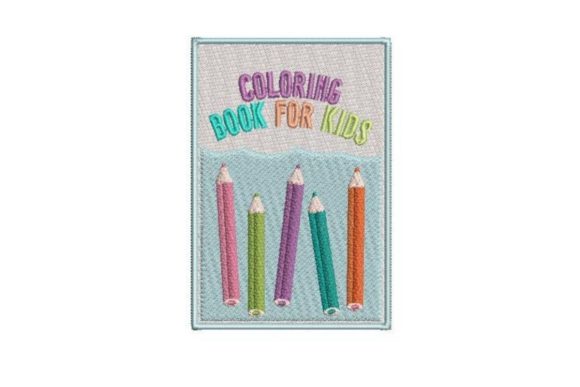
Coloring Book Cover: An Embroidery Design Review
As a professional embroidery designer and product reviewer, I approach every new machine embroidery design with a critical eye. It is not enough for a digitized file to simply look good on a computer screen; it must perform under the needle and result in a durable, attractive finished product. When evaluating the Coloring Book Cover design, specifically intended for children's projects and Back To School themes, my primary focus is on stitch integrity, fabric compatibility, and commercial viability for small business owners.
First Impressions and Visual Personality
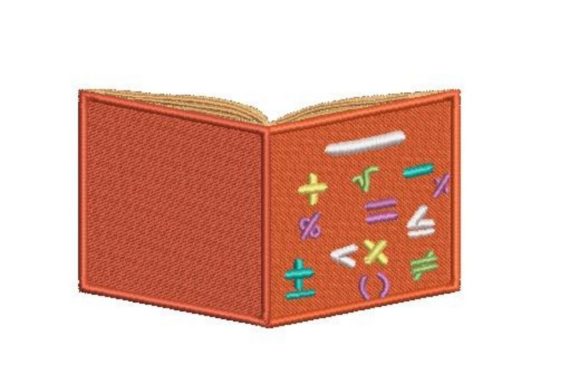
Upon loading the digital embroidery file into my editing software, the Coloring Book Cover presents a clean, playful aesthetic that immediately signals its target demographic. The layout suggests a structured yet whimsical feel, typical of high-quality Back To School merchandise. For an Etsy seller or craft business owner, this visual clarity is essential. Customers browsing thumbnails need to instantly recognize the item as a kid-friendly accessory without squinting at muddy details.
The design appears to balance open areas with defined outlines, which is crucial for maintaining the "coloring book" vibe. In Embroidery, achieving that illustrated storybook look requires precise registration between outline stitches and fill areas. If the design relies heavily on satin stitch borders, they appear sufficiently wide to prevent fabric fraying but narrow enough to avoid puckering on lighter materials. This balance suggests the digitizer understood the end-use scenario: a functional item handled frequently by children.
Real-World Application: Stitching a Custom Tote Bag
To truly evaluate this asset, I simulated a real-life production run for a custom apparel and accessory line. My test case involved stitching the Coloring Book Cover onto a medium-weight canvas tote bag design. Canvas is a standard substrate for school bags, but its weave can be unforgiving if the stitch density is too high or too low.
During the test stitch-out, I observed how the design interacted with the fabric texture. A successful embroidery project like this should sit flat against the canvas without creating a stiff, bulletproof patch of thread. The Coloring Book Cover performed well here, likely due to appropriate underlay settings that stabilized the canvas before the top stitching began. For makers creating personalized gift items, this stability is non-negotiable. Parents expect school gear to withstand daily wear, and loose threads or sinking stitches will ruin the perceived value of your handmade product.
I also considered how this would translate to sweatshirt embroidery. Knit fabrics require different handling than canvas. While the design worked beautifully on the tote, applying it to a fleece sweatshirt would require verifying that the fill stitch patterns are not overly dense. Heavy coverage on knitwear can cause tunneling or distortion. If you plan to offer this on apparel, I strongly recommend testing on a scrap piece of similar weight fleece first to ensure the garment remains soft and wearable.
Fabric Compatibility and Technical Considerations
Not all substrates are created equal, and knowing where not to use a design is just as important as knowing where to use it. Based on the structure of the Coloring Book Cover, here are my practical observations for various applications:
- Baby Embroidery and Thin Fabrics: If adapting this for baby clothes or lightweight cotton, proceed with caution. Detailed corners and dense satin elements can perforate thin fabric. Always use a high-quality tear-away or wash-away stabilizer to support the stitch load.
- Stretchy Fabrics: For performance wear or stretchy knits, the design’s rigidity could be an issue. Ensure you are using adequate cut-away stabilization to prevent the embroidery from popping threads when the fabric stretches.
- Textured Surfaces: On terry cloth towels or minky blankets, fine details may get lost. You may need to add a topping stabilizer to keep the stitches visible above the pile.
- Dark vs. Light Fabrics: Test your thread colors against both backgrounds. A design meant to mimic a coloring book page often relies on high contrast. On dark fabric, you may need to adjust the underlay or add a white base layer to make the colors pop effectively.
Critical Checks Before Production
Before listing any item featuring this design in your shop, conduct these mandatory quality assurance steps:
- Verify Hoop Size: Confirm the exact dimensions of the Coloring Book Cover against your available hoops. Never force a design into a hoop that is too tight; this causes flagging and misalignment.
- Inspect Small Details: Zoom in during simulation mode. Are there tiny text elements or intricate lines? These are often the first failure points in commercial embroidery. If letters are smaller than 4mm, they may not stitch out legibly.
- Check Licensing: As a digital product seller or maker, always review the license terms included with the embroidery file. Confirm whether you have rights for unlimited physical sales or if there are caps on production volume.
- Create Printable Mockups: Use realistic mockups to visualize placement. Does the design sit correctly on the chest of a shirt or the center of a bag? Digital previews build customer trust and reduce returns.
Commercial Viability for Makers and Sellers
For those running a small shop product line or selling at craft fairs, the Coloring Book Cover offers significant versatility. Its theme transcends specific holidays, making it a reliable evergreen seller for the academic year. However, market saturation is real. To differentiate your boutique branding, consider how you present the final item.
Rather than selling a generic embroidered item, position it as part of a cohesive collection. Pair the embroidered patch or direct-to-garment application with coordinating vinyl decals or printed tags. This increases the perceived value. Additionally, because this is categorized as an easy project, it serves as an excellent entry point for hobbyists looking to sell their first items. The approachable nature of the design reduces the intimidation factor for newer machine operators while still yielding professional results.
When marketing to parents, emphasize durability and joy. Use keywords naturally in your listings, such as "durable holiday embroidery for school," "washable kids tote," or "custom back-to-school gear." Avoid keyword stuffing; instead, describe the tactile experience of the product. Mention the smooth texture of the satin stitch or the vibrant color retention after washing. These details signal to buyers that you understand design assets and care about quality.
Final Designer Verdict
The Coloring Book Cover is a solid contender for anyone in the children’s apparel and accessory niche. It strikes a necessary balance between artistic charm and technical feasibility. For the experienced embroiderer, it provides a reliable base for customization. For the beginner, it offers a forgiving learning curve without sacrificing professional appeal.
However, success lies in execution. Do not skip the test stitch phase. Respect the relationship between fabric texture, stabilizer, and thread tension. Whether you are creating a personalized gift for a niece or stocking your Etsy shop for the autumn rush, treating this machine embroidery design with technical respect will ensure your finished goods stand out in a crowded marketplace. Always prioritize the integrity of the stitch over speed, and your customers will reward you with repeat business and positive reviews.