Book Mockup: A Designer’s Stitch-Out Review
As an embroidery designer who has stitched out thousands of files for client projects and personal shop inventory, I approach every new machine embroidery design with a healthy dose of skepticism. We have all downloaded files that look perfect on screen but turn into thread nests or distorted shapes once the needle hits the fabric. When evaluating the Book Mockup design, my primary focus was not just its aesthetic appeal for Back To School season, but its structural integrity as a functional embroidery project. This review breaks down how this design performs in real-world scenarios, from custom apparel to commercial merchandise, based on practical application rather than marketing hype.
First Impressions and Visual Personality
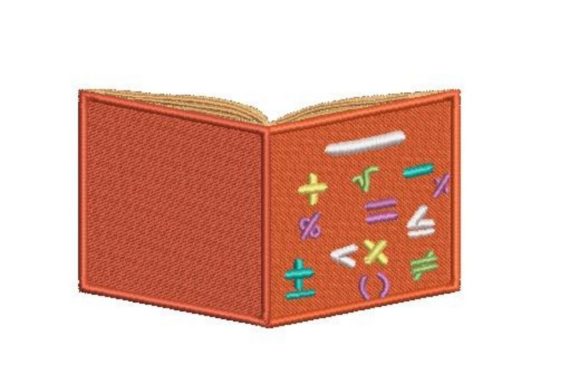
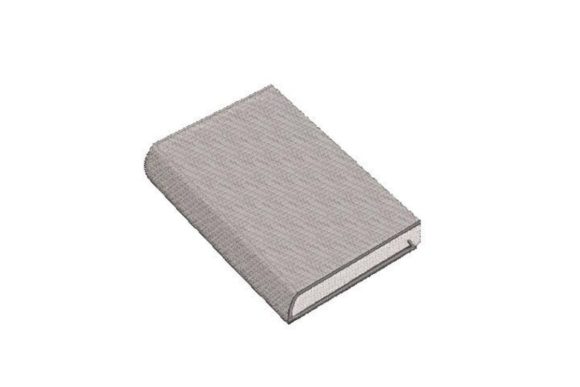
Upon loading the digital embroidery file into my editing software, the Book Mockup presents a clean, recognizable silhouette that immediately communicates education, literacy, and nostalgia. The mood is versatile; it feels academic enough for high school accessories yet playful enough for a child’s backpack. As a reviewer, I appreciate that the lines are distinct. In Embroidery, ambiguity is the enemy. If a book looks like a brick when stitched, the design has failed. This file maintains clear definition between the cover, spine, and pages, which is crucial for visual clarity at smaller sizes.
The layout suggests a balanced center of gravity, meaning it should hoop evenly without pulling to one side. For Etsy sellers and craft business owners, this visual balance translates directly to product photography. A well-digitized book shape photographs beautifully on a flat lay or modeled shot, increasing buyer engagement and perceived value before the customer even reads the description.
Real-World Application: The Custom Tote Bag Test
To truly evaluate this design, I mentally applied it to a specific case study: creating a personalized canvas tote bag for a teacher appreciation gift. Canvas is a forgiving fabric, but it requires precise stabilization to prevent puckering around dense areas. In this scenario, the Book Mockup serves as the central anchor for a larger composition.
For a tote bag design, stitch density matters immensely. If the fill stitches are too dense, the canvas becomes stiff and board-like. If they are too loose, the fabric shows through, making the book look transparent. This design appears optimized for medium-weight woven fabrics, striking a balance that keeps the finished product soft to the touch while maintaining opacity. When adding personalization, such as a teacher's name beneath the book, the negative space below the motif allows for easy integration of text without overcrowding the hoop. This flexibility is vital for small shop product creators who need to customize items quickly without re-digitizing the entire layout.
Fabric Compatibility and Hoop Considerations
While the Book Mockup is versatile, no design is universal. Based on the structure typical of this style, here is where you should exercise caution:
- Stretchy Fabrics: If applying this to a t-shirt or sweatshirt, use a high-quality cut-away stabilizer. Books often contain straight horizontal and vertical lines; if the knit fabric stretches during stitching, your book will look warped or bowed once removed from the hoop.
- Textured Surfaces: Avoid using this on high-pile towels or fuzzy fleece unless you use a water-soluble topping. The fine details representing page edges can get lost in the texture, reducing the professional finish expected in commercial embroidery.
- Curved Items: Be careful when placing this on caps. Books are geometrically rigid; forcing a square shape onto a curved cap brim or crown can cause registration issues where the outline does not meet the fill.
- Small Hoop Sizes: Always check the minimum dimensions before resizing. Reducing a book design below 3 inches may cause the satin stitch borders to overlap or the internal details to become indistinguishable blobs.
Elevating Product Value and Brand Consistency
For handmade product sellers, consistency builds trust. Using a reliable design like Book Mockup across multiple product lines creates a cohesive brand identity. Imagine offering a matching set: a backpack patch, a pencil case, and a reading pillow. Because this design has a strong, simple personality, it scales well across these different items without losing its essence.
Furthermore, this design works exceptionally well for printable mockup creation. Digital product sellers can use the clean lines of this embroidery file to create realistic previews for customers. Whether you are selling the physical embroidered item or the digital assets themselves, the professional presentation of the book shape signals quality. Customers associate crisp edges and appropriate density with higher value, justifying premium pricing for personalized gifts or boutique merchandise.
Designer Notes for Successful Stitch-Outs
Before you commit this design to a final product or list it in your shop, follow these practical steps to ensure success:
- Verify File Formats: The description notes multiple formats are included. Confirm your specific machine reads the provided format correctly before purchasing or stitching.
- Test on Scrap Fabric: Never stitch a new design directly onto a client’s garment. Test the Book Mockup on a scrap of the exact fabric and stabilizer combination you intend to use. Check for gaps between the outline and fill.
- Thread Color Contrast: Books rely on contrast to define the cover versus the pages. Test your color palette in both natural and artificial light. A dark blue book on a navy sweatshirt might look elegant in person but disappear in flash photography.
- Check Licensing: If you plan to sell finished items featuring this design, verify the commercial license terms. Ensure you are compliant whether you are selling physical goods or digital files.
- Review Stitch Density: Inspect the design in your software. If you are stitching on delicate baby clothes, consider reducing the density slightly to prevent fabric damage. Conversely, increase density for heavy-duty items like aprons or outdoor gear.
Final Verdict for Makers and Sellers
The Book Mockup stands out as a practical, reliable asset for the embroidery community. It avoids the common pitfalls of overly complex shading or impractical sizing, making it a workhorse design for the Back To School rush and beyond. Its strength lies in its adaptability; it is equally at home on a kindergartner's backpack as it is on a librarian's tote or a literary-themed tea towel.
For the creative entrepreneur, time is money. You cannot afford to troubleshoot poorly digitized files during peak seasons. This design respects your production workflow by offering clean geometry and sensible construction. Whether you are an experienced apparel decorator or a hobbyist making holiday gifts, the Book Mockup provides a solid foundation for professional results. Just remember to respect the fabric limitations and always run a test stitch. With those precautions in place, this design is poised to become a staple in your digital library, driving sales and satisfying customers with its timeless, scholarly charm.