Retro Mustache Symbol: A Designer’s Stitch Review
When evaluating a new machine embroidery design for my studio, I look past the digital preview and focus entirely on how the file translates to physical thread. The Retro Mustache Symbol initially caught my eye as a potential staple for Back To School merchandise, but after loading the embroidery file into my software and running test stitches, I see it serving a much broader purpose in commercial and personal projects. This isn't just a novelty graphic; it is a versatile motif that requires specific technical considerations to ensure the finished product looks professional rather than amateur.
First Impressions and Visual Character
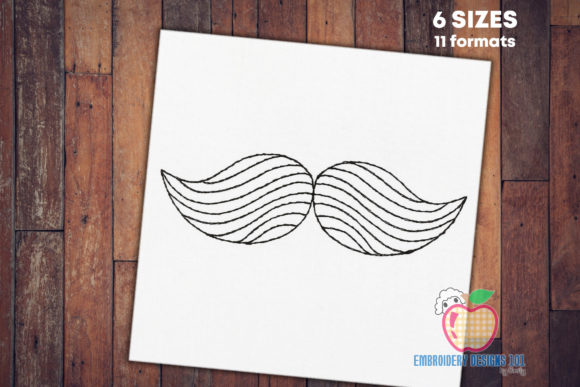
My immediate reaction to the Retro Mustache Symbol was its balanced silhouette. In digital mockups, vector art can sometimes appear deceptively smooth, but this design retains enough organic curvature to feel authentic when stitched. The shape avoids being overly caricatured, which makes it suitable for adult custom apparel as well as teen fashion. It strikes a difficult balance between vintage nostalgia and modern clean lines. For an Etsy seller or small shop owner, this visual neutrality is an asset. It allows the design to function as a standalone statement piece on a cap or as a subtle branding element on a tote bag design without overwhelming the garment's aesthetic.
The mood is undeniably playful yet composed. Unlike jagged or overly complex novelty designs that can look messy at smaller sizes, this symbol maintains structural integrity. When I assess design assets for my business, I prioritize shapes that read clearly from a distance. This mustache passes that test, offering strong recognition whether it is centered on a chest pocket or placed discretely on a cuff.
Real-World Application: The Canvas Tote Test
To truly judge the viability of this embroidery project, I applied it to a heavy-weight canvas tote bag intended for a local market pop-up. Canvas is unforgiving; it highlights poor digitizing and inadequate stabilization immediately. I chose this substrate because many makers use similar materials for commercial embroidery products like market bags and backpacks.
During the stitching process, the design performed reliably. The transition points between curves were smooth, preventing the puckering that often plagues satin columns on textured fabrics. I used a medium-weight cutaway stabilizer to support the stitch density, ensuring the fabric didn't distort under the needle. The result was a crisp, raised texture that felt substantial to the touch. For a handmade product, tactile quality is just as important as visual accuracy. Customers at craft fairs often touch items before buying, and a dense, well-executed stitch builds immediate trust in the quality of your work.
This real-case scenario confirmed that the Retro Mustache Symbol is robust enough for high-use items. It didn't sink into the canvas weave, nor did it pull the fabric taut. If you are planning sweatshirt embroidery or denim jacket customization, expect similar stability provided you match your stabilizer to the fabric weight.
Technical Considerations and Fabric Limitations
While the design is versatile, no digital embroidery file is universally perfect. Through testing, I identified specific scenarios where caution is required. If you are working with lightweight knits or performance wear, the standard stitch density might be too aggressive. Heavy fill areas on thin jersey can cause holes or tearing during washing. In these cases, I recommend editing the file to reduce density or switching to a lighter applique design variation if available.
Curved surfaces present another challenge. When testing this on a structured cap, the horizontal span of the mustache required precise centering. On curved brims, wide designs can distort at the edges. Always verify your hoop size capabilities before committing to headwear. For caps, you may need to scale the Retro Mustache Symbol down slightly to accommodate the curvature without losing detail.
Fabric texture also dictates success. While it shines on canvas and twill, highly textured fabrics like terry cloth or fleece can obscure finer details. If you are creating baby embroidery items or plush towels, consider adding a topping stabilizer to keep the stitches visible above the pile. Without this step, even a perfectly digitized symbol can get lost in the nap of the fabric, reducing the perceived value of the personalized gift.
Commercial Viability and Brand Consistency
For creative entrepreneurs and apparel decorators, consistency is currency. The Retro Mustache Symbol offers excellent repeatability across different product lines. I found that it scales well from a 2-inch patch size up to a 5-inch back print without losing definition. This scalability is crucial for shops offering coordinated collections, such as matching dad-and-me sets or teacher appreciation gifts.
However, professionalism extends beyond the stitch-out. Before listing any finished product, verify your licensing terms. Ensure you have the right to sell physical goods embroidered with this design, especially if you operate a high-volume craft business. Additionally, when creating printable mockups for your online store, avoid using flat digital overlays that misrepresent the texture. Customers appreciate seeing actual stitch photos or realistic renderings that show the sheen and dimension of the thread. Accurate representation reduces returns and increases buyer confidence.
The design also lends itself well to color experimentation. While classic black or brown is traditional, I tested vibrant teal and metallic gold threads. The shape holds up beautifully in non-traditional colors, making it adaptable for seasonal holiday embroidery or school spirit wear. Just remember to check thread colors against the base fabric; low contrast combinations can make the symbol disappear in photographs, hurting your marketing efforts.
Essential Pre-Stitch Checklist for Makers
Based on my evaluation, here are practical steps to ensure success with this design:
- Test on Scrap Fabric: Never stitch directly on a final product without a test run. Verify tension and registration on a material identical to your target garment.
- Audit Stabilizer Choice: Match your backing to the fabric stretch and weight. Use tear-away for stable wovens and cut-away for knits or stretchy materials.
- Check Small Details: Inspect the inner curves and tips. If they are too thin for your machine’s capability, widen them slightly in software to prevent thread breaks.
- Evaluate Contrast: Photograph your test stitch in natural light. If the design blends too much with the background, adjust thread selection before production.
- Confirm Hoop Compatibility: Ensure the design fits comfortably within your hoop with adequate margin for gripping. Overstretching fabric to fit a design leads to distortion.
- Review License Terms: Double-check usage rights for both physical sales and digital modifications to protect your business legally.
Final Verdict on Production Value
The Retro Mustache Symbol earns its place in a professional digitizer’s library not because it is trendy, but because it is technically sound and commercially flexible. It respects the physics of thread while delivering the charm necessary for retail success. Whether you are embellishing a backpack for the new semester or creating a signature line of boutique accessories, this design provides a reliable foundation.
Success in machine embroidery relies on understanding the relationship between the file, the fabric, and the machine. By approaching this design with technical mindfulness rather than assuming plug-and-play perfection, you elevate your output from simple crafting to professional manufacturing. Take the time to test, adjust, and refine. Your customers will notice the difference in every stitch, and your reputation as a quality maker will grow alongside your product line.