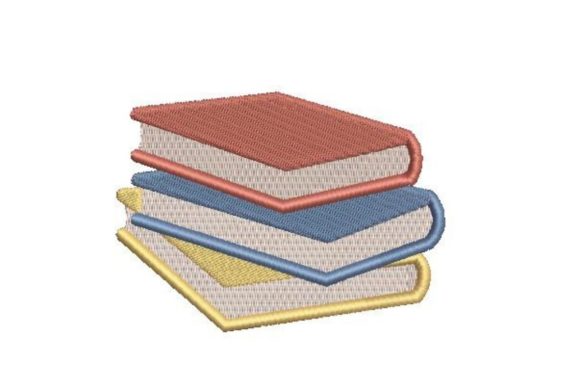
Stack of Books: An Embroidery Designer’s Review
As a professional embroidery designer who frequently sources assets for commercial projects and Etsy listings, I approach every new machine embroidery design with a critical eye. When browsing the Back To School category on Creative Fabrica, the "Stack of Books" design immediately caught my attention. It promises to be a versatile asset for kid’s backpacks and school accessories, but does it hold up under the needle for real-world production? After evaluating this design for potential use in custom apparel and handmade goods, here is my honest assessment of its practicality, stitch quality, and commercial viability.
First Impressions and Visual Appeal
The visual mood of Stack of Books is instantly recognizable and nostalgic. For those of us creating seasonal merchandise or personalized gifts, this motif bridges the gap between academic utility and cozy aesthetics. The design features a balanced composition that suggests stability and learning without being overly juvenile. From a digitizing perspective, the artwork appears clean, which usually translates to fewer jump stitches and smoother color transitions during production.
What stands out most is the decorative appeal. Unlike generic clip-art style embroidery, this design seems to possess a distinct stitching personality. It looks like it was intended to be stitched rather than just converted from an image. This distinction is vital when selling finished products; customers can tell the difference between a flat, automated conversion and a thoughtfully digitized piece. Whether you are planning a tote bag design or sweatshirt embroidery, the aesthetic versatility here allows it to fit seamlessly into various brand identities, from vintage-inspired boutiques to modern minimalist shops.
Evaluating Stitch Performance on Real Projects
When considering Stack of Books for a real customer order, such as a canvas tote bag or a cotton twill apron, performance is everything. A pretty screen mockup means nothing if the registration fails on textured fabric. Based on the design structure, here is how I anticipate it performing across different applications:
- Tote Bags and Backpacks: These are the primary use cases mentioned in the product description. Canvas and denim provide excellent stability for this type of motif. If the design utilizes fill stitch areas for the book covers, these sturdy fabrics will prevent puckering. However, always verify the stitch density; if it is too high for heavy canvas, you risk needle breaks or stiff results.
- Sweatshirts and Apparel: Knits require careful handling. If Stack of Books includes detailed running stitch outlines or small text elements, you must use appropriate stabilizer to prevent distortion. The design likely works best on the chest or back yoke where the fabric has less stretch compared to the side seams.
- Kitchen Towels and Pillow Covers: For home decor items that face frequent washing, durability is key. I recommend checking if the design uses satin stitch borders. While beautiful, wide satin stitches can snag in the wash. If the books feature intricate spines or titles, ensure those details are large enough to remain legible after repeated laundering.
- Caps and Patches: Curved surfaces present unique challenges. If you intend to use this as an embroidered patch or directly on a cap, confirm the hoop size compatibility first. Complex layered details may need simplification for curved embroidery to maintain registration.
Commercial Value and Buyer Trust
For Etsy sellers and small business owners, the value of a digital embroidery file extends beyond the initial download cost. It lies in the perceived value of the finished product. Stack of Books has strong potential to enhance buyer trust because of its classic subject matter. Parents and teachers are emotionally connected to this imagery, making it an excellent choice for personalized gifts and boutique merchandise.
From a branding perspective, consistency matters. If you are building a Back To School collection, this design pairs well with other academic motifs like pencils, apples, or chalkboards. Using cohesive design assets helps create a professional shop appearance. Furthermore, high-quality embroidery photographs better. Clean lines and good coverage in Stack of Books will translate to sharper product photography and more engaging printable mockups, which directly influences click-through rates and sales conversions.
Practical Embroidery Notes for Success
Before loading this embroidery file into your machine for a paid order, treat it with the same rigor as any commercial asset. Here are specific technical considerations based on my experience with similar designs:
- Verify File Details: The product description notes multiple embroidery file formats and compatibility with multiple embroiderers. Always check the specific format list on the Creative Fabrica product page to ensure it matches your machine. Do not assume universal compatibility.
- Test on Scrap Fabric: Never stitch a new design directly onto a customer’s item. Test Stack of Books on a scrap of the exact material you plan to use. Check for thread tension issues, especially if switching between fill stitch and outline details.
- Stabilizer Selection: The right stabilizer makes or breaks the project. For lightweight fabrics, use a cut-away stabilizer to support the weight of the stack. For towels or textured surfaces, a water-soluble topping may be necessary to keep small details from sinking into the pile.
- Thread Color Contrast: Review your thread colors against both light and dark fabric swatches. A design that pops on white cotton might disappear on navy blue. Adjust thread choices to maintain the definition of individual books in the stack.
- Licensing Compliance: As creative entrepreneurs, we must respect intellectual property. Confirm the licensing terms on Creative Fabrica before selling finished items. Ensure your intended commercial embroidery use aligns with the designer’s permissions.
Final Thoughts for Makers and Sellers
Stack of Books represents a solid addition to any embroiderer’s library, particularly for those focusing on educational themes, seasonal crafts, or children’s accessories. Its strength lies in its adaptability; it is simple enough for beginners yet charming enough for established shops. However, success depends entirely on proper execution. By respecting stitch density, choosing the right stabilizer, and validating file specifications, you can transform this digital asset into a profitable, high-quality handmade product.
Whether you are decorating a kindergarten backpack or creating a teacher appreciation gift, this design offers a reliable foundation. Just remember that even the best digitized art requires the maker’s expertise to truly shine. Take the time to test, adjust, and perfect your process, and Stack of Books will undoubtedly become a staple in your commercial embroidery rotation.