Skull on Stack of Books: An Embroidery Review
As an embroidery designer who frequently sources assets for commercial projects, I approach every new download with a critical eye. When browsing the Back To School category on Creative Fabrica, the Skull on Stack of Books machine embroidery design immediately caught my attention. It strikes a specific balance between academic nostalgia and alternative aesthetic that is currently trending in niche apparel markets. However, visual appeal on a screen does not always translate to a clean stitch-out on fabric. After evaluating this design for potential use in custom apparel and handmade gifts, here is my honest assessment of its performance, versatility, and commercial viability for fellow creators and Etsy sellers.
First Impressions and Design Aesthetic
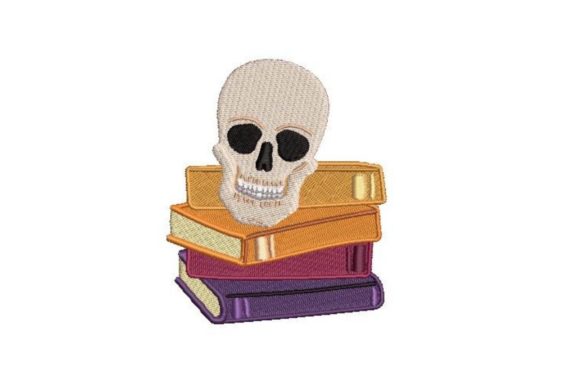
The visual mood of Skull on Stack of Books is distinct. It moves away from the overly cutesy or generic scholastic motifs often found in seasonal collections, offering instead a "dark academia" vibe that appeals to older students, librarians, teachers with alternative style, and book lovers who appreciate gothic literature. The composition suggests a narrative element—the skull resting atop literature implies wisdom, mortality, or perhaps a love for mystery novels. For a creative entrepreneur, this specific personality is valuable because it targets a passionate sub-niche rather than a saturated general market.
From a digitizing perspective, the stacking of elements presents both opportunity and challenge. The interplay between the organic curves of the skull and the rigid, geometric lines of the books requires precise registration. In my initial review of the digital embroidery file, I looked specifically at how the transition points were handled. A design like this relies heavily on the contrast between different stitch types to create depth without excessive bulk. If the digitizer has utilized a mix of satin stitch for outlines and fill stitch for the book covers effectively, the design should have a professional, textured appearance rather than looking flat or bulletproof.
Real-World Application: Sweatshirts and Tote Bags
I evaluated Skull on Stack of Books specifically with two best-selling products in mind: heavyweight cotton sweatshirts and canvas tote bags. These are staples for any handmade shop owner, but they behave very differently under the needle.
For sweatshirt embroidery, the design’s density is the primary consideration. Fleece and French terry fabrics are unstable and prone to puckering if a design is too dense. This motif appears to be an excellent candidate for sweatshirts because the stack of books provides a solid base that can anchor the design, while the skull allows for some negative space. This balance helps prevent the "armor plate" effect that ruins the drape of a garment. When stitching this on apparel, I would strongly recommend using a cut-away stabilizer and potentially a water-soluble topping to keep the stitches from sinking into the fleece pile. The result should be a cozy, wearable piece of custom apparel that feels high-end rather than stiff.
Conversely, testing this as a tote bag design offers a different advantage. Canvas is stable and forgiving, making it ideal for showcasing the finer details of the skull’s expression and the spines of the books. Because tote bags are often used as personalized gifts for teachers or students, this design fits the functional purpose perfectly. The rectangular footprint of the book stack also aligns naturally with the shape of a tote, making placement intuitive. For commercial embroidery on bags, this design could easily serve as a centerpiece for a back-to-school collection or a year-round book lover merchandise line.
Technical Considerations for Small Details
While the overall composition is strong, experienced embroiderers know that the devil is in the details. Skull on Stack of Books likely contains small text elements or intricate facial features on the skull. Before committing this to a finished product, you must verify the legibility of these tiny areas. Machine embroidery has physical limitations; if the lettering on the book spines is smaller than 4mm, it may not stitch out clearly on textured fabrics.
I advise all users to perform a test stitch on scrap fabric that matches your intended final product. Do not rely solely on the software simulation. Check the stitch density in the layered areas where the skull overlaps the books. If the density is too high, you risk needle breaks or fabric distortion. If you plan to use this as an embroidered patch, ensure the border definition is crisp enough to withstand cutting and merrowing. Additionally, consider your thread colors carefully. While the design may come with a suggested color chart, adjusting the palette to match current fashion trends or specific brand aesthetics can significantly elevate the perceived value of the handmade product.
Commercial Viability and Product Value
For Etsy sellers and small business owners, the question is always whether a design asset will generate sales. Skull on Stack of Books has strong commercial potential because it bridges two evergreen niches: education and alternative fashion. This crossover appeal makes it suitable for a wider range of customers than a standard school bus or apple design.
When creating printable mockups for your listings, this design photographs exceptionally well due to its recognizable silhouette. It reads clearly even in thumbnail size, which is crucial for click-through rates on mobile devices. Furthermore, offering this as part of a curated collection—perhaps paired with matching reading glasses or quill pen designs—can increase average order value. The "gift for a book lover" angle mentioned in the product description is accurate; this is the type of specific, thoughtful imagery that drives purchases for birthdays, graduations, and holidays beyond just the back-to-school season.
However, buyer trust is built on quality. Ensure that your finished product reflects the precision of the original digitizing. If you notice jump stitches or registration issues during your test run, do not sell the item. Instead, adjust your tension, change your needle, or modify the stabilizer setup. Your reputation as a maker depends on the consistency of your output, regardless of where you source your design assets.
Essential Pre-Stitch Checklist
Before you hoop up and start production, please adhere to these practical steps to ensure success with Skull on Stack of Books:
- Verify Licensing: Always check the specific license terms on the Creative Fabrica product page. Confirm whether you have the rights to sell finished physical products or if there are limitations on digital redistribution.
- Check File Compatibility: The product description notes multiple embroidery file formats are included. Verify that your specific machine format is available and that the file transfers correctly before starting.
- Measure Hoop Size: Confirm the physical dimensions of the design against your available hoop sizes. Never attempt to squeeze a design into a hoop that is too small, as this leads to alignment failures.
- Stabilizer Selection: Match your stabilizer to your fabric weight. Use tear-away for stable woven fabrics like canvas towels, and cut-away for stretchy knits like sweatshirts.
- Color Contrast Test: Stitch out a sample on both light and dark fabric. Some details visible on white may disappear on black, requiring a color adjustment or outline addition.
- Wash Testing: If selling items like kitchen towels or baby blankets that require frequent laundering, wash your test swatch to ensure the stitch density holds up and the fabric doesn't pucker after shrinking.
Final Thoughts for Makers
Skull on Stack of Books represents a versatile addition to a professional embroiderer's library. It avoids the trap of being overly seasonal, allowing for year-round relevance in bookish and alternative fashion niches. By treating this machine embroidery design with the technical respect it deserves—testing densities, selecting appropriate stabilizers, and verifying licensing—you can transform a digital file into a profitable, high-quality handmade product. Whether you are decorating clothes for a local craft fair or building a digital product empire, this design offers the aesthetic character and structural potential necessary for real-world success.