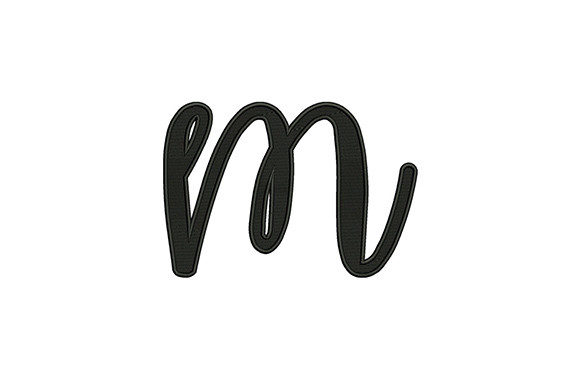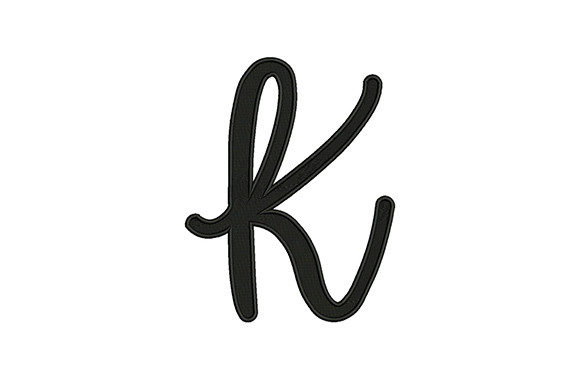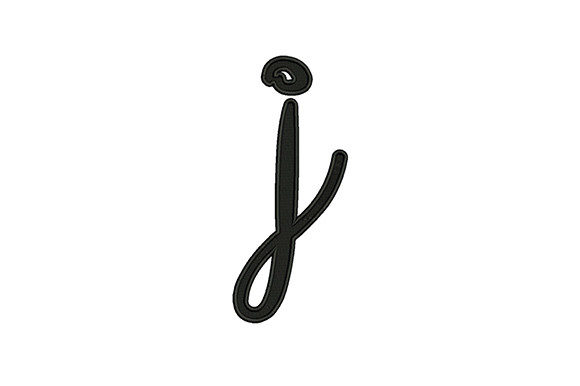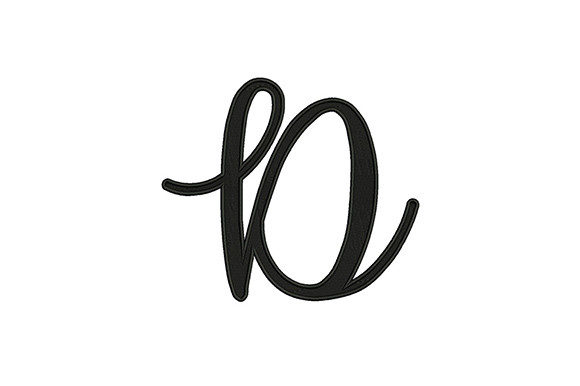
Special Character: A Designer’s Sweatshirt Review
As an embroidery designer preparing for a seasonal drop, I approach every new machine embroidery design with a critical eye. When sourcing assets for a boutique brand or a small shop product, the difference between a generic graphic and a premium garment often lies in the digitizing quality. Recently, I evaluated "Special Character" for an upcoming collection of cozy apparel. My goal was to determine if this design could anchor a limited sweatshirt release that feels both nostalgic and commercially viable. For fellow Etsy sellers, apparel decorators, and creative entrepreneurs, understanding how a digital file translates to physical fabric is essential for maintaining buyer trust and brand identity.
First Impressions and Stitching Personality
Upon loading the embroidery file, my immediate impression of Special Character was its balanced complexity. The description notes it is "fun and easy to stitch," which usually signals optimized pathing and manageable run times. In commercial embroidery, efficiency matters just as much as aesthetics. A design that requires excessive trims or color changes can slow down production and increase thread breaks. Special Character appears to respect the rhythm of the machine while retaining enough detail to avoid looking flat or overly simplified.
The mood strikes a versatile chord. It does not feel strictly juvenile, nor is it overly austere. This neutrality makes it an excellent candidate for a wide demographic, from college students seeking unique Back To School gear to adults wanting playful weekend wear. The layout suggests a design that holds its own without overwhelming the garment. For a handmade business owner, this balance is crucial; you want the finished product to look intentional and high-end, not like a craft project gone wrong. The stitching personality feels confident, suggesting that the digitizer understood how thread interacts with texture.
Evaluating Performance on Sweatshirts and Hoodies
Sweatshirt embroidery presents unique challenges due to the loft and stretch of fleece fabrics. When testing Special Character on neutral-toned sweatshirts, the design’s structure proved robust. Fleece tends to swallow fine details, but this design seems to account for that push-and-pull distortion. On dark fabrics, the contrast potential is significant. If your thread colors are chosen wisely—perhaps a cream or gold against charcoal—the design pops with a vintage varsity aesthetic. Conversely, on pastel hoodies, softer thread tones create a subtle, tonal look that appeals to the minimalist boutique shopper.
Placement is where Special Character truly shines as a versatile asset. While it works beautifully as a center chest hoodie design, I also envision it scaling well for sleeve accents or smaller left-chest placements on oversized silhouettes. The current trend favors relaxed fits, and this design complements that volume without getting lost in the excess fabric. For those creating custom apparel, consider how this design photographs. Lifestyle product photography relies on visual interest; a well-digitized character creates natural focal points that stop the scroll on social media feeds and Etsy listings.
Technical Considerations for Commercial Use
Before committing Special Character to a full production run, several practical designer concerns must be addressed. Although the product description highlights quality, you must verify specific technical data. Always check the exact stitch count, available formats, and license terms before purchasing any digital embroidery file. Assuming compatibility can lead to costly mistakes.
- Stabilizer Choice: For sweatshirt fleece, a medium-weight cutaway stabilizer is non-negotiable. Tear-aways often fail to support the weight of the design on stretchy knits, leading to puckering. Test Special Character with different stabilizer weights to find the sweet spot for your specific blank apparel.
- Stitch Density: Evaluate the density settings relative to your fabric thickness. If the design is too dense for a lightweight French terry, it will create a bulletproof patch effect. If it is too sparse for heavy fleece, the fabric will show through. Run a test stitch-out on your actual production fabric, not just a sample swatch.
- Hoop Size and Placement: Ensure your hoop size accommodates the design with adequate margin for proper tension. Distortion often occurs when a design is pushed to the absolute limit of the hoop's working area. Proper hooping technique is vital for keeping the character aligned and professional.
- Washing Durability: Boutique customers expect longevity. After stitching, wash and dry the test garment aggressively. Check for loose threads, shrinkage gaps around the design perimeter, or color bleeding. A premium handmade product must survive real-world wear.
Building Brand Value Through Design Assets
In the saturated market of online apparel, your choice of design assets directly influences perceived value. Special Character offers more than just a cute image; it offers a foundation for brand storytelling. When used consistently across a collection, it builds visual recognition. Customers begin to associate that specific stitching style and character aesthetic with your shop. This consistency fosters buyer trust, signaling that you curate your inventory with care rather than grabbing random files.
For Etsy sellers and small clothing brands, presentation is everything. Utilize printable mockup previews to gauge customer interest before stitching full inventory. However, nothing replaces the authenticity of showing the actual embroidered texture in your listing photos. Highlight the sheen of the thread and the dimensionality of the stitches. Explain in your product description why you chose this specific design and how it enhances the garment. This narrative transforms a simple sweatshirt into a piece of curated fashion.
Versatility Across Fabric Types and Seasons
The claim that Special Character "will look great stitched onto any fabric" warrants nuanced interpretation. While versatile, success depends on adaptation. On smooth cotton tees, the design will appear crisp and defined, perfect for summer transitional wear. On textured waffle knits or ribbed materials, the design takes on a rustic, organic quality. As we move toward cooler seasons, this adaptability allows you to extend the life of the asset. Transition from lightweight crewnecks in early autumn to heavyweight hoodies in winter using the same core design, simply adjusting your stabilizer and needle size.
Furthermore, consider the customization potential. Does the design allow for personalization? Adding names or dates alongside Special Character can significantly increase engagement for custom apparel orders. Even if the base file is static, your placement and accompanying text can make each piece feel unique. This flexibility is invaluable for small shops managing inventory risks; one strong design can yield dozens of SKU variations.
Final Verdict for the Boutique Creator
After thorough evaluation, Special Character stands out as a reliable contender for commercial apparel use. It balances playfulness with structural integrity, making it suitable for both casual and semi-polished boutique collections. Its ease of stitching respects the maker's time, while its aesthetic appeal respects the customer's desire for quality. However, the true test always lies in your specific production environment. Treat this review as a starting point for your own sampling process.
Remember that successful sweatshirt embroidery is a marriage of digital precision and tactile craftsmanship. Verify your file specifications, test your stabilizers, and photograph your results with intention. Whether you are launching a Back To School capsule or expanding your year-round basics line, Special Character provides a solid canvas for creative expression. By approaching this design with professional scrutiny and thoughtful application, you elevate your work from simple crafting to legitimate apparel design. Your attention to these details is exactly what separates thriving handmade businesses from hobbyists, ensuring your customers receive a product worthy of their investment.