Periodic Table Alphabet E: Erbium Embroidery Review
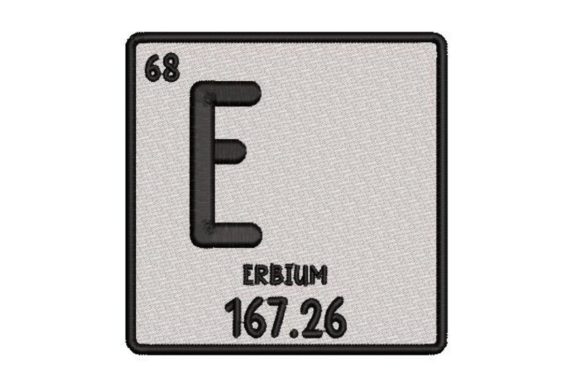
As I prepare my booth inventory for the upcoming weekend craft fair, my focus shifts from digital design to tangible, sellable goods. When evaluating the Periodic Table Alphabet E for production, I am looking at more than just a chemistry reference; I am assessing a versatile asset for the niche science market. Erbium, with the symbol Er and atomic number 68, offers a distinct aesthetic that bridges academic precision and handmade charm. For fellow Etsy sellers, boutique makers, and creative entrepreneurs, this review breaks down how this specific machine embroidery design performs in real-world applications, from stitch-out quality to customer engagement at a busy market table.
First Impressions: Modern Academic Aesthetic
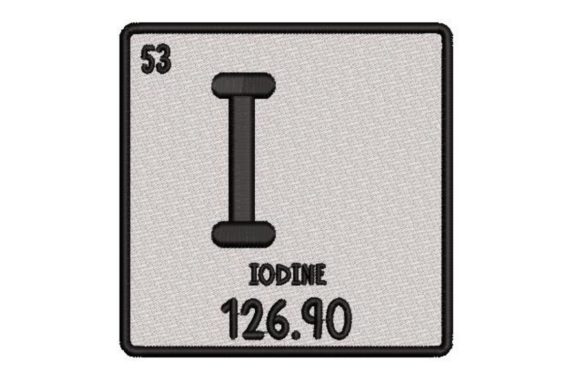
The immediate visual impact of the Periodic Table Alphabet E is clean, modern, and intellectual. Unlike ornate script fonts or rustic farmhouse styles, this design relies on structural geometry and bold typography. It feels premium and purposeful rather than whimsical. For a Back To School collection or a year-round science gift line, this aesthetic signals quality. The square border of the periodic element provides a natural frame, making it an excellent focal point. As a designer, I appreciate that the lines are crisp, which translates well to both digital mockups and physical samples. It does not look cluttered, allowing the "Er" symbol and atomic number to remain legible even from a distance across a craft fair aisle.
Best Selling Applications for Craft Fairs
Not every embroidery file suits every product. Based on the geometric nature of Erbium, here is where this design shines as a craft fair product:
- Tote Bag Design: Canvas totes are a staple for handmade markets. The structured box of the element contrasts beautifully against the organic texture of natural cotton canvas. This works exceptionally well centered on the bag or as a repeating pattern near the bottom hem.
- Tea Towel Embroidery: Science-themed kitchen linens are high-turnover items. Because the design is self-contained within a square, it centers perfectly on flour sack towels without needing additional decorative borders. It appeals to chemistry teachers, lab technicians, and students.
- Embroidered Patch: Given the defined edges of the periodic table square, this design is ideal for creating merrowed-edge patches. These can be sold as standalone add-ons at the booth or pre-applied to denim jackets and caps.
- Apron Embroidery: Placing the Erbium element on the chest pocket area of a bib apron creates instant branding for science educators or coffee shops with a geek-chic vibe.
- Fabric Pouches and Zipper Bags: Small zipper pouches featuring Element 68 make perfect giftable handmade items for pencil cases or travel organizers. The scale of the design fits these smaller projects without overwhelming the fabric.
Production Practicality and Batch Efficiency
For commercial embroidery and small shop product lines, efficiency is key. The Periodic Table Alphabet E scores high on repeatability. The consistent square shape allows for easy alignment when hooping multiple items for batch production. Unlike complex floral designs that require precise placement relative to seams, this geometric design is forgiving. If you are slightly off-center by a millimeter, the structured nature of the element maintains its integrity. Furthermore, because the design comes with multiple embroidery file formats, it integrates seamlessly into various machine ecosystems, reducing prep time before a big market weekend. The simplicity also means fewer thread changes, keeping run times low and profit margins healthy.
Critical Use Notes for Stitch Quality
While the design is versatile, professional results require attention to technical details. As an experienced digitizer and embroiderer, I advise checking the following before mass production:
- Small Lettering Clarity: The atomic number "68" and the word "Erbium" are significantly smaller than the main symbol. On textured fabrics like terry cloth tea towels, these fine details can get lost. Always use a water-soluble topping to keep stitches on top of the pile.
- Stitch Density on Caps: If applying this to curved cap surfaces, verify the stitch density. The solid fill of the element box can cause puckering on unstructured caps if the stabilizer is insufficient. Test on a scrap cap first.
- Fabric Texture Compatibility: This design demands a stable base. Knits and stretchy fabrics may distort the square shape unless properly stabilized. Woven cottons, linens, and canvas are the safest bets for maintaining the geometric accuracy customers expect.
- Thread Contrast: Legibility is paramount. Avoid stitching dark thread on dark fabric unless using a metallic or high-sheen rayon that catches the light. High contrast ensures the atomic data is readable instantly.
Visual Merchandising and Customer Engagement
At a craft fair, you have seconds to capture attention. The Periodic Table Alphabet E acts as a visual filter; it immediately attracts your target demographic while repelling those uninterested in science. This is efficient merchandising. When displayed alongside other elements, it encourages bundle purchases. Customers often ask, "Do you have my initial?" or "Do you have Oxygen?" having Erbium visible prompts these interactions. For online sales, this design photographs exceptionally well. The sharp edges and flat color blocks translate clearly in printable mockups and listing photos, reducing the need for extensive editing. It reinforces brand consistency for sellers specializing in STEM education gifts or academic apparel.
Designer’s Pre-Production Checklist
Before listing this finished product or bringing it to market, complete this verification process to ensure professional standards:
- Verify Licensing: Confirm the commercial licensing terms included with your digital embroidery file. Ensure you are permitted to sell finished physical products at craft fairs and online marketplaces.
- Test Stitch-Out: Never skip the test run. Hoop a piece of your intended sale fabric and stitch the design. Inspect the registration between the box outline and the internal text.
- Check Hoop Size: Ensure the design fits comfortably within your hoop with adequate margin for the presser foot. Crowding the hoop edges leads to tension issues and misalignment.
- Evaluate Stabilizer Choice: Match the stabilizer to the fabric weight. Cutaway for knits, tear-away for wovens, and adhesive spray for difficult-to-hoop items like pouches.
- Create Real Mockups: While digital assets are useful, photographing a real sample builds trust. Show the texture and scale so buyers understand exactly what they are purchasing.
- Review Thread Colors: Standardize your thread palette. If selling a series of elements, ensure the background box color remains consistent across all designs for a cohesive collection look.
The Periodic Table Alphabet E is more than a novelty; it is a functional design asset for the serious embroidery business owner. By respecting the technical requirements of stitch density and fabric choice, and by strategically placing Erbium on high-value items like tote bags and tea towels, you transform a simple chemical symbol into a profitable handmade product. Whether you are stocking an Etsy shop or setting up a weekend booth, this design offers the perfect blend of niche appeal and production practicality that defines successful commercial embroidery.