Number 0 Charm: A Designer’s Craft Fair Review
As I prepare my inventory for the upcoming weekend craft fair, every design in my lineup must earn its place on the table. Space is limited, and customers at handmade markets are looking for items that spark immediate joy or serve a specific purpose. When evaluating the Number 0 Charm machine embroidery design, I am not just looking at stitch files; I am assessing its commercial viability as a craft fair product. This creative embroidery design is perfect for your next embroidery project, but for a business owner, it must also be perfect for profit margins and production speed. Based on its description as simple, versatile, and suitable for children's designs, here is my professional assessment of how this digital embroidery file translates into sales.
First Impressions: Versatility Meets Market Appeal
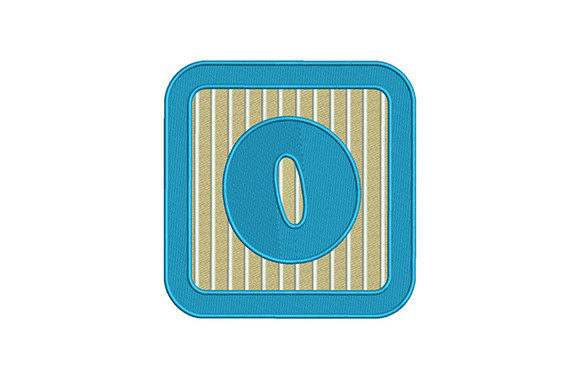
My first impression of the Number 0 Charm is that it leans heavily into the "cute" and "modern minimal" aesthetic. In the context of Back To School merchandise, which dominates late summer and early autumn markets, a stylized zero is an incredibly high-value asset. It does not feel overly complex or dense, which suggests it will stitch out quickly—a critical factor when you are producing batch inventory for a small shop product line. The charm aspect implies a decorative, perhaps slightly whimsical quality rather than a rigid academic font. This makes it approachable for toddlers starting preschool, kindergarteners learning to count, or even as a playful accent for adult organizers who love stationery aesthetics. For an Etsy seller or boutique maker, this balance of simplicity and character is exactly what drives impulse purchases.
Best Performing Products for Booth Displays
When planning my table display, I have to decide where the Number 0 Charm will generate the most visual impact. Not every item sells equally well at a physical market. Here is how I evaluate this design across different product categories:
- Tote Bag Design: This is likely your strongest performer. A canvas tote featuring a large, centered Number 0 Charm appeals to parents carrying school supplies or library books. The design’s simplicity ensures it reads clearly from a distance, drawing customers into the booth.
- Apron Embroidery: For a baking or art class theme, placing this charm on the chest pocket area of a child-sized apron creates an adorable handmade product. It adds perceived value without requiring excessive thread consumption.
- Tea Towel Embroidery: While often associated with kitchen decor, tea towels are popular back-to-school gifts for teachers. A set of towels featuring numbers 0-9 allows for bundling, increasing the average transaction value.
- Embroidered Patch: Because the design is described as simple, it is an excellent candidate for patches. These can be sold individually as add-ons at the register or pre-applied to denim jackets and backpacks. Patches are low-risk, high-margin items that utilize small hoop sizes efficiently.
- Fabric Pouches and Zipper Bags: Small pencil cases or snack bags featuring the Number 0 Charm are practical booth fillers. They utilize fabric scraps and allow you to offer a lower price point entry item for budget-conscious shoppers.
Production Practicality and Batch Efficiency
For commercial embroidery, time is money. The Number 0 Charm appears to be optimized for repeatable production. Simple designs typically have fewer trims and color changes, which reduces the hands-on time required per hoop. When I review this embroidery file, I am looking for clean run stitches and efficient fill patterns. If the design is indeed versatile, it should digitize well across different stabilizer types without requiring constant tension adjustments. This reliability is essential when you are running multiple hoops of tote bags or aprons in succession. Furthermore, because it fits into the "children's design" category, the stitch count is likely manageable, keeping material costs low while maintaining a premium handmade look.
Critical Use Notes for Professional Results
Even simple designs require technical diligence. Before listing any finished product or setting up my machine for the fair, I must address potential pitfalls specific to the Number 0 Charm:
- Stitch Density on Textured Fabrics: If applying this to terry cloth tea towels or fleece pouches, ensure the underlay is sufficient. A simple charm can get lost in high-pile fabrics if the density isn't adjusted to prevent sinking.
- Small Lettering and Details: If the charm includes internal details or accompanying text, verify legibility at smaller sizes. Tiny elements may need to be simplified or removed when stitching on curved cap surfaces or small patches.
- Thread Colors and Contrast: Test the design on both light and dark fabrics. A white charm on cream fabric may look elegant online but invisible at a dimly lit craft fair. High contrast is key for booth visibility.
- Curved Surfaces: If using this on caps, confirm the distortion settings. A circular zero shape can easily become oval if not properly compensated for the curve of the hat.
Visual Merchandising and Customer Engagement
The success of the Number 0 Charm at a market depends on how it is presented. Visual appeal drives buyer engagement. I recommend creating a cohesive collection rather than selling isolated items. Grouping a tote bag, a matching pouch, and a patch all featuring the same Number 0 Charm creates a branded experience that encourages multi-item sales. For online listings, use printable mockups to show the design in context before you have stitched every variation, but always include at least one photo of the actual finished product to demonstrate stitch quality. Customers need to see the texture and sheen of the threads to trust the handmade quality. Highlighting the versatility of the design in your product descriptions helps buyers envision it for their own specific needs, whether for a classroom birthday or a personalized gift.
Designer’s Pre-Production Checklist
Before committing to a full production run for the craft fair, follow this professional checklist to ensure the Number 0 Charm meets your quality standards:
- Test Stitch on Scrap Fabric: Never assume a digital embroidery file is perfect out of the box. Run a test on the exact fabric and stabilizer combination you intend to sell.
- Verify Hoop Size Compatibility: Confirm the design dimensions fit your most efficient hoop setup to maximize production speed.
- Check Commercial Licensing: Review the license terms included with the machine embroidery design. Ensure you have the right to sell finished products and clarify if there are limits on quantity.
- Inspect Stitch Density: Look for areas that might be too dense for lightweight fabrics or too sparse for heavy canvas. Adjust in your software if necessary.
- Create Real Mockups: Photograph the test stitch on the actual product. Compare this against your digital assets to ensure color accuracy.
- Evaluate Thread Consumption: Calculate the cost per unit based on thread usage and runtime to set profitable pricing for your handmade market booth.
The Number 0 Charm represents a fantastic opportunity for embroidery business owners to tap into the seasonal demand of Back To School while maintaining year-round relevance through its simple versatility. By treating this design with professional scrutiny—testing its performance on tote bags, aprons, and patches, and respecting the technical requirements of fabric texture and stabilizer—you transform a basic digital file into a best-selling craft fair staple. Always remember that in the handmade market, consistency and quality are what turn first-time buyers into loyal customers.