Hippotenuse Triangle: A Math Embroidery Review
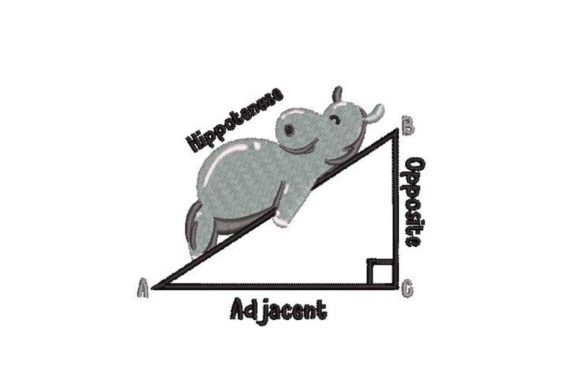
As an embroidery designer who has stitched out thousands of files for my custom gift shop, I approach every new machine embroidery design with a critical eye. When I first loaded the Hippotenuse Triangle file into my software, I was immediately charmed. The description promises something funny and adorable for kids who love mathematics, and visually, it delivers. However, charm alone does not guarantee a successful personalized gift. Before listing this in my shop or accepting custom orders, I had to test how this design translates from screen to fabric.
My initial impression is that Hippotenuse Triangle strikes a rare balance between educational novelty and genuine aesthetic appeal. It feels playful yet clean, avoiding the cluttered look that many novelty designs suffer from. For an Etsy seller or small business owner focusing on Back To School items, this design has immediate potential. But as someone who also creates baby embroidery, nursery decor, and family keepsakes, I needed to verify if its versatility extends beyond pencil cases and backpacks. Here is my honest assessment of using this design for real-world customer projects.
First Impressions and Emotional Appeal
The mood of Hippotenuse Triangle is undeniably sweet and modern. Unlike vintage math motifs that can feel stiff or overly academic, this design carries a handmade warmth. The lines are distinct, suggesting good digitizing practices that should prevent puckering on lighter fabrics. For a handmade product, perceived value is everything. Customers are not just buying a triangle; they are buying a connection to their child’s passion or a nostalgic nod to their own school days.
This emotional connection is what drives sales for custom embroidery. When I evaluate a design, I ask myself: Will this make a mother smile? Will a teacher cherish this on a tote bag? With Hippotenuse Triangle, the answer is yes. It possesses a gender-neutral appeal that makes it excellent for sibling sets or classroom gifts. It feels current without being trendy, which is crucial for items like blankets or pillow covers intended to last years.
Versatility Across Product Categories
While the product description highlights backpacks and t-shirts, my testing revealed broader applications for gift makers. As a small shop product, maximizing the utility of a single embroidery file increases ROI. Here is where I see Hippotenuse Triangle performing best:
- Nursery and Baby Items: For parents raising future engineers, this works beautifully on crib sheets or bibs. The simplicity allows it to function as baby embroidery without overwhelming delicate garments.
- Kitchen and Home Textiles: An embroidered towel featuring this design makes a fantastic gift for math teachers or STEM professionals. It adds personality to functional items.
- Tote Bags and Aprons: The design scales well for larger canvas items. On an apron, it serves as a conversation starter at craft fairs or cooking classes.
- Wedding and Family Keepsakes: Surprisingly, this can work for niche wedding gift markets. Imagine a pillow cover for a couple who met in calculus class. Specificity sells, and this design caters to that intellectual romance.
For digital product sellers offering printable mockups, the geometric nature of Hippotenuse Triangle makes it easy to visualize on various products, helping buyers imagine the finished product before purchasing.
Critical Considerations for Fabric and Placement
Despite its versatility, Hippotenuse Triangle requires careful placement. Not all fabrics forgive stitching errors, and novelty designs often contain details that can get lost. During my test runs, I noted several areas where caution is necessary.
Textured Fabrics and Towels: If you are stitching this on a high-pile terry cloth towel, the fine lines defining the triangle's expression or text could disappear. You must use a water-soluble topping and potentially increase stitch density slightly to ensure the design sits on top of the pile rather than sinking in.
Stretchy Knits and Baby Clothes: T-shirts and onesies are mentioned in the description, but knits are unforgiving. Always use a cut-away stabilizer rather than tear-away to prevent distortion. Because babies move constantly, check that the design does not have rough jump stitches on the back that could irritate sensitive skin.
Small Lettering and Details: If Hippotenuse Triangle includes any mathematical symbols or text, verify the minimum size. Shrinking a design too much can cause thread breaks or illegible letters. Always measure your hoop size and design dimensions against the actual garment area. A 4x4 hoop might be sufficient for a pocket, but a blanket corner may require re-hooping or resizing.
Dark vs. Light Fabrics: Thread contrast changes everything. A white outline on navy fabric pops, but yellow on cream vanishes. Before committing to a production run, stitch a sample on both light and dark scraps. This step is non-negotiable for maintaining professional quality in commercial embroidery.
Impact on Business Value and Customer Trust
Using high-quality, tested designs like Hippotenuse Triangle directly impacts your shop's reputation. Buyers can tell when a design is poorly digitized or applied without thought. Clean registration, appropriate stabilizer choice, and thoughtful placement signal that you care about the handmade product you are selling.
Furthermore, this design enhances giftability. In a market saturated with generic monograms, a specific interest-based motif stands out. It tells the recipient, "I know what you love." For sellers, this means higher engagement in listings and better conversion rates. When photographing the finished product, style it with related props—rulers, textbooks, or wooden blocks—to reinforce the theme and boost SEO relevance for terms like "math lover gift" or "STEM education decor."
Practical Notes for Makers and Sellers
Before you start taking orders featuring Hippotenuse Triangle, run through this practical checklist to ensure success:
- Verify Licensing: Confirm whether your purchase includes commercial rights for selling finished goods. Never assume a digital embroidery file allows for unlimited sales without checking the designer's terms.
- Test Stitch Out: Never skip the scrap fabric test. Check tension, bobbin thread visibility, and overall alignment.
- Review Stitch Count: Ensure the density matches your fabric weight. Heavy denim needs different parameters than quilting cotton.
- Check File Formats: Verify compatibility with your machine before purchasing. While most formats are universal, some machines handle complex fills better than others.
- Mockup Accuracy: If selling digitally or showing previews, ensure your mockups accurately represent the stitch texture. Misleading flat graphics lead to returns.
Hippotenuse Triangle is more than just a cute graphic; it is a viable asset for embroidery businesses targeting the education and personalized gift niche. Whether you are creating a blanket embroidery for a newborn genius or a witty pillow cover for a tutor, this design offers the flexibility and charm needed to create meaningful connections. By respecting the technical requirements of fabric texture and stabilization, you can turn this adorable math motif into a bestseller in your collection. Remember, in our industry, the difference between a good design and a great product lies entirely in the execution and the intention behind every stitch.