Backpack: A Designer Review for Business Merch
As an embroidery designer who specializes in commercial branding and small business merchandise, I approach every new machine embroidery design with a critical eye. When evaluating the "Backpack" design within the Back To School category, my primary focus is not just on its aesthetic appeal for students, but on its versatility as a professional asset for boutiques, cafés, creative studios, and handmade brands. While the name suggests academic use, this embroidery file holds significant potential for businesses looking to create branded gear that feels nostalgic yet functional.
Visual Personality and First Impressions
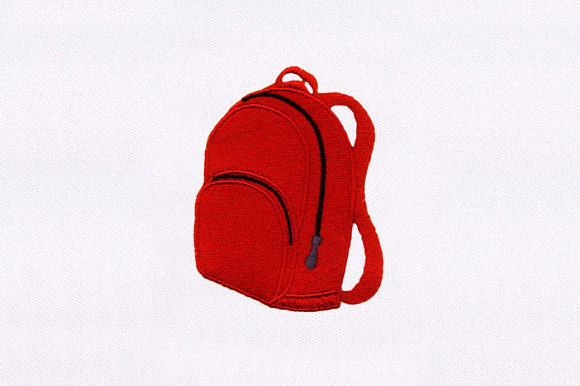
Upon loading the Backpack design into my digitizing software, the first impression is one of structured reliability. Unlike overly cartoonish school-themed graphics that can alienate adult customers, this design strikes a balance between playful and utilitarian. It reads as friendly and accessible, making it suitable for businesses that want to project a welcoming atmosphere without sacrificing professionalism. For a local bakery or a florist, this icon evokes feelings of preparation, learning, and community support.
The silhouette appears clean enough to serve as a recognizable brand marker rather than just a decorative clip-art element. This distinction is vital for brand identity. When used for small business merch, the design needs to stand alone as a symbol of your shop. The lines suggest a bold outline style that typically translates well to thread, avoiding the muddy details that often plague complex illustrations when stitched out at smaller sizes. It feels modern and classic simultaneously, allowing it to integrate seamlessly into various retail environments.
Real-World Applications for Small Businesses
For apparel decorators and Etsy sellers, the true value of the Backpack design lies in its adaptability across different substrates. Here is how I envision this asset performing in a commercial production environment:
- Staff Uniforms and Aprons: For coffee shops and bookstores, placing this design on the chest pocket area of an apron or work shirt creates an instant thematic connection. It signals to customers that your staff is knowledgeable and ready to assist, reinforcing the "back to basics" ethos of artisanal service.
- Retail Tote Bags: Canvas tote bags are a staple for farmers' markets and boutique retail. The Backpack motif works exceptionally well as a tote bag design because the shape naturally complements the rectangular canvas surface. It turns a simple shopping bag into a collectible piece of custom apparel that customers will reuse.
- Patches and Labels: One of the most profitable uses for this file is creating an embroidered patch. Because the backpack shape is generally self-contained with clear borders, it is ideal for merrowed edge finishing. These patches can be sold as add-ons, applied to denim jackets, or used as premium branding tags on handmade product packaging.
- Cap Embroidery: While curved surfaces present challenges, the central mass of a backpack design often fits well within the 3D puff or flat embroidery constraints of a standard cap frame. This makes it a viable option for seasonal promotional headwear.
Technical Considerations and Production Warnings
Despite its versatility, professional embroiderers must exercise caution. Not every digital file performs perfectly on every garment without adjustment. When preparing the Backpack design for commercial embroidery, consider these technical factors:
Stitch Density and Fabric Texture
Before running a full production batch, you must evaluate the stitch density relative to your chosen material. If you are stitching on lightweight linen for a summer boutique collection, a dense fill stitch could cause puckering or fabric damage. Conversely, if applying this to heavy canvas or denim, ensure the needle penetration is sufficient. Always test on the actual fabric texture you intend to sell. What looks perfect on screen may require density adjustments or underlay modifications to prevent distortion on stretchy knits or textured weaves.
Sizing and Detail Integrity
A common mistake in apron embroidery or patch creation is resizing a design beyond its safe limits. If you shrink the Backpack design too small for a sleeve cuff or tiny label, interior details may merge, resulting in a thread blob. Check the minimum recommended size before purchasing or producing. Similarly, enlarging the design for a large back print on a hoodie requires verifying that the stitch count remains manageable and that the design does not become bulletproof or stiff. Always confirm the appropriate hoop size availability in your machine before committing to a project.
Thread Colors and Contrast
Brand consistency relies heavily on accurate color matching. Review the included thread colors chart against your specific brand palette. You may need to swap shades to match your corporate identity exactly. Furthermore, test the design in high-contrast scenarios. A dark navy backpack on a black uniform will disappear; you may need to add a white outline or adjust the fill to a lighter tone to maintain visibility. Never assume the default colorway works for every application.
Strategic Value for Brand Growth
Using the Backpack design goes beyond simple decoration; it is a strategic tool for enhancing customer trust and recognition. In the competitive landscape of handmade goods and local retail, visual consistency builds authority. When your finished product features high-quality, intentional embroidery, it elevates the perceived value of your entire business.
This design serves as excellent event merch for "Back To School" sales, teacher appreciation events, or autumn promotions. However, its utility extends year-round for businesses focused on education, childcare, tutoring, or organization services. By integrating this icon into your design assets library, you create a cohesive visual language that spans from your website to your physical products. Customers begin to associate the symbol with your quality of service, fostering loyalty and repeat engagement.
Essential Pre-Production Checklist
To ensure professional results, follow this workflow before selling any item featuring the Backpack design:
- Verify File Compatibility: This product includes formats such as DST, PES, JEF, VP3, and XXX. Confirm your machine reads the specific format natively to avoid conversion errors that can alter stitch paths.
- Create a Printable Mockup: Before stitching, place the digital file over a photo of your intended product. Share this printable mockup with clients or team members for approval to ensure placement and scale meet expectations.
- Test Stitch on Scrap Material: Always run a sample using the exact stabilizer and fabric combination planned for production. Inspect the backside for excessive jump stitches or bobbin issues.
- Check Licensing Terms: While this is a machine embroidery design for merchandise, always review the specific license agreement included with the file. Ensure you have the right to use the design on items for sale versus personal use only.
- Compare Beside Other Assets: Place the Backpack design next to your existing logo and fonts. Ensure the line weight and style harmonize with your current branding to avoid a disjointed look.
The Backpack design offers a unique opportunity for small business owners to tap into seasonal trends while building long-term brand equity. Whether you are decorating staff uniforms, creating retail-ready tote bags, or manufacturing custom patches, success depends on treating this digital embroidery file as a professional component of your business strategy. By respecting technical limitations and focusing on brand alignment, you can transform a simple school-themed graphic into a powerful asset for your commercial embroidery portfolio.