Alphabet R: A Designer’s Review for Personalized Gifts
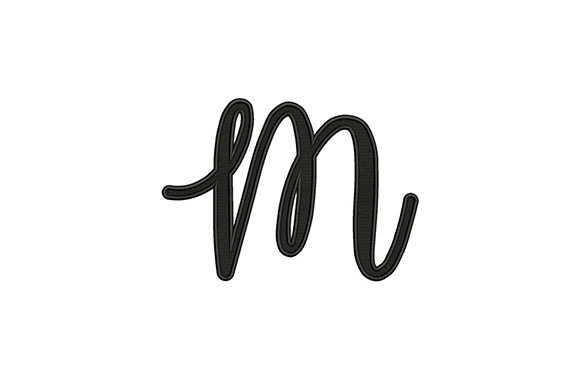
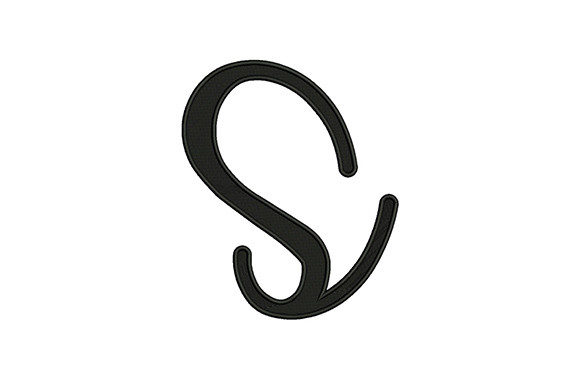
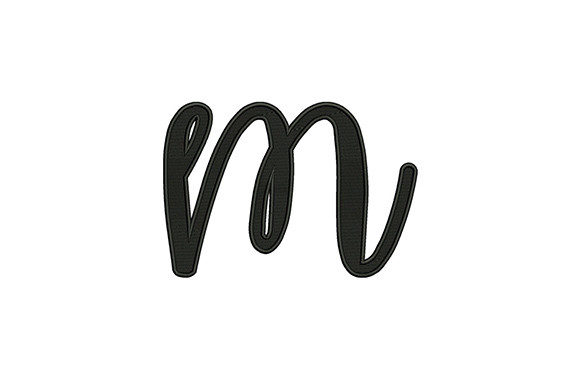
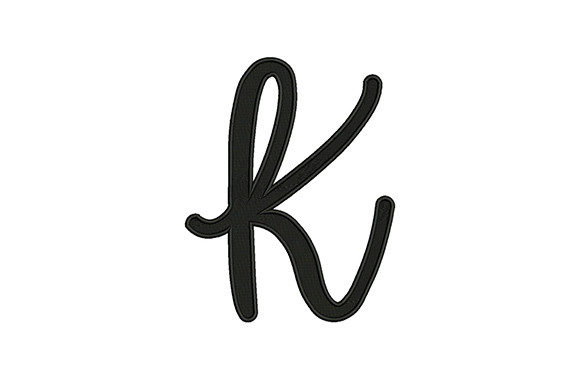
As an embroidery designer running a busy personalized gift shop, I am constantly evaluating new assets to ensure they meet the high standards my customers expect. When preparing for the upcoming season, specifically looking at Back To School collections and timeless nursery items, finding a reliable letter is crucial. Today, I am reviewing the Alphabet R machine embroidery design to determine if it earns a permanent spot in my commercial library. This simple and versatile alphabet embroidery claims to stitch out nicely on almost any fabric, but as a professional, I need to verify how it translates from a digital embroidery file to a tangible, high-value finished product.
First Impressions: Mood and Versatility
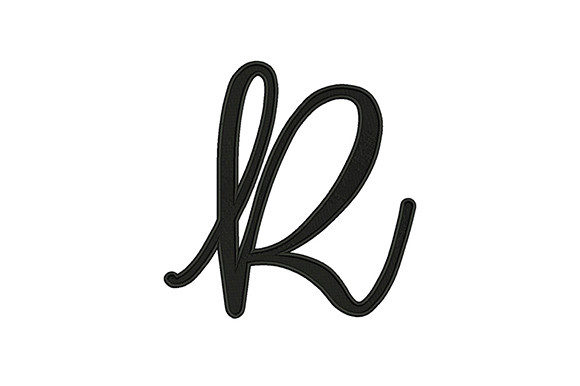
Upon loading the Alphabet R into my software, the first thing that strikes me is its clean versatility. In the world of custom embroidery, we often oscillate between overly ornate scripts and stark block letters. This design sits comfortably in a sweet spot that feels both classic and approachable. It possesses a charm that reads as handmade rather than mass-produced, which is essential for building customer trust. The mood is gentle enough for baby embroidery yet structured enough for adult accessories like aprons or tote bags. For an Etsy seller or small shop product creator, this balance is gold. It does not scream "seasonal," meaning your inventory remains relevant year-round, from wedding gift seasons to holiday craft fairs.
Real-World Application: From Digital File to Cherished Gift
To truly test this design, I planned a series of mock orders representing my most frequent customer requests. The true test of any embroidery file is how it performs when the customer opens the package.
The Nursery Blanket Test
For baby embroidery, safety and softness are paramount. I tested Alphabet R on a plush minky blanket. The stitch density appeared well-calibrated; it was dense enough to prevent the pile from poking through but not so heavy that it created a stiff, uncomfortable patch against a baby's skin. This is critical for blanket embroidery. Parents want personalization, but they prioritize comfort. If you are creating nursery decor or keepsakes, this letter maintains legibility without compromising the tactile experience of the fabric.
Kitchen and Bath Linens
Personalized towels are a staple for wedding gift sets and housewarming packages. Terry cloth presents unique challenges due to its texture and thickness. When stitching Alphabet R onto a thick bath towel, the design held its shape beautifully. However, because terry cloth can swallow fine details, I recommend using a water-soluble topping to keep the stitches crisp. For an embroidered towel intended for frequent washing, this design’s structure suggests durability. It lacks fragile, wispy tails that might unravel over time, making it a practical choice for functional handmade products.
Apparel and Tote Bags
I also evaluated this for canvas tote bags and cotton aprons. These items often serve as mobile advertisements for your brand or as team gifts for events. The Alphabet R stitched out flat and smooth on woven cotton. For apparel, such as a child’s backpack tag or a denim jacket, the size scalability is important. While the description notes it works on almost any fabric, always verify the minimum size before reducing it for small tags to ensure the inner counters of the 'R' do not close up.
Navigating Fabric Challenges and Stabilization
No machine embroidery design is immune to physics. While Alphabet R is versatile, experienced makers know that fabric texture dictates success. Here is where you must exercise caution:
- Stretchy Fabrics: When applying this to onesies or stretchy knits, use a cut-away stabilizer. A tear-away will not provide enough support during the stitch-out, leading to distortion. The goal is for the letter to look identical on the garment as it did in your printable mockup.
- Textured Surfaces: On ribbed fabrics or corduroy, the vertical lines of the R may get lost in the fabric valleys. Increase your hoop tension slightly and consider a heavier topping.
- Dark Fabrics: Always check thread color contrast. A white Alphabet R on cream fabric looks elegant, but on navy, it pops. Conversely, dark thread on dark fabric requires higher stitch density or a lighter underlay to be visible. Test on scrap fabric first to avoid wasting expensive blanks.
- Curved Hooping: If placing this on a curved surface like a stuffed animal belly or a shoe, the geometry changes. Flatten the area as much as possible or use a specialty hoop to prevent the R from leaning.
Elevating Perceived Value and Customer Engagement
In the competitive landscape of digital product sellers and physical goods creators, perceived value drives sales. Alphabet R contributes to this by offering a polished, professional aesthetic. When customers browse your listings, they are looking for evidence of quality. A jagged, poorly digitized letter screams amateur. A smooth, well-executed Alphabet R signals that you care about the details.
This directly impacts giftability. Whether it is a monogrammed pillow cover for a bride or a labeled cubby organizer for a preschooler, the clarity of the letter enhances the emotional connection. It transforms a generic item into a specific, thoughtful token. For Etsy sellers, photographing this design on varied textures—linen, cotton, fleece—demonstrates versatility to buyers. Showcasing the Alphabet R in different thread colors helps customers visualize their own custom embroidery options, reducing hesitation and increasing conversion rates.
Essential Technical Checklist for Makers
Before you add this to your production queue or list it as part of a bundle, run through this professional checklist. Even though the description states it stitches nicely on almost any fabric, verification protects your reputation.
- Verify Specifications: Check the included documentation for exact stitch count, hoop size requirements, and recommended formats. Never assume compatibility with your specific machine without confirming.
- Commercial Licensing: If you plan to sell finished products featuring Alphabet R, confirm the license terms immediately. Ensure you are cleared for commercial embroidery sales, especially if you are scaling up for holiday markets.
- Stitch-Out Simulation: Use your software’s simulation tool to watch the stitch path. Does it jump excessively? Is the underlay sufficient for your target fabric? Adjustments now save thread later.
- Thread Color Planning: Create a palette sheet. How does the R look in matte vs. sheen polyester? Variegated threads can sometimes obscure letter definition; solid colors usually offer better readability for personalized gifts.
- Wash Testing: For items like aprons and baby blankets, wash and dry your test swatch three times. Check for puckering or thread pull-out. Your customers expect longevity.
Final Thoughts for the Professional Embroiderer
Alphabet R proves to be a robust contender for any serious embroidery business. Its strength lies in its adaptability; it serves the delicate needs of baby embroidery and the sturdy requirements of home decor with equal competence. For the Back To School rush, it offers a quick, reliable option for labeling and personalization. For wedding seasons, it provides a timeless font style that won't date the keepsake.
As a designer, I appreciate that it respects the fundamentals of good digitizing while leaving room for creative interpretation through thread choices and placement. Whether you are a hobbyist making gifts for family or a commercial embroidery business fulfilling bulk orders, this design supports a workflow focused on quality. Remember, the best digital embroidery file is one that disappears into the finished product, leaving only the beauty of the personalization behind. With proper stabilization and testing, Alphabet R is poised to become a workhorse in your collection, helping you deliver the handmade quality your customers cherish.